Table of Contents
- The tech industry’s moment of reckoning: layoffs and hiring freezes ...
- Here’s What the Public Thinks of Recent Tech Layoffs – and What They ...
- Visualizing Major Layoffs At U.S. Corporations
- Companies that announced Major Layoffs and Hiring Freezes | Intellizence
- The Sequence of Staff Layoffs and Right-Sizing | Investment Moats
- How the Same Mistake Led to Thousands of Layoffs Across the Tech ...
- Industry Failures and Layoffs Continue as Down Market Persists ...
- Here’s What the Public Thinks of Recent Tech Layoffs – and What They ...
- 84,638 February layoffs at U.S.-based companies most since 2009 - UPI.com
- 10 Friday AM Reads - The Big Picture


:format(webp)/cdn.vox-cdn.com/uploads/chorus_asset/file/24398995/tech_layoffs_jan_2023_2.jpg)
The Layoff Landscape: An Overview

Some of the most notable layoffs in recent times include:
- Amazon: 18,000 employees laid off
- Microsoft: 10,000 employees laid off
- Google: 12,000 employees laid off
- Facebook: 11,000 employees laid off
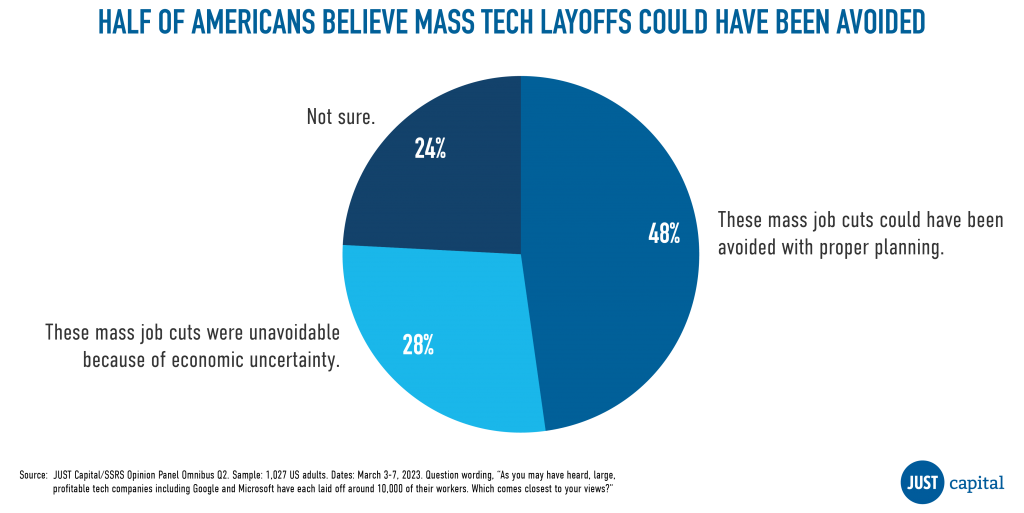
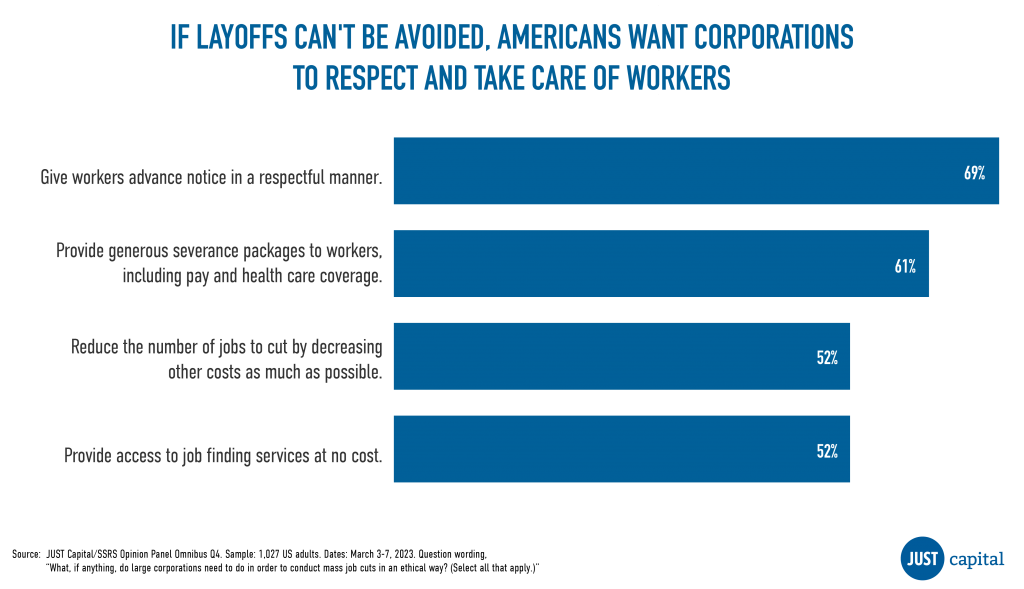
Industry-Wide Layoffs: A Deeper Dive

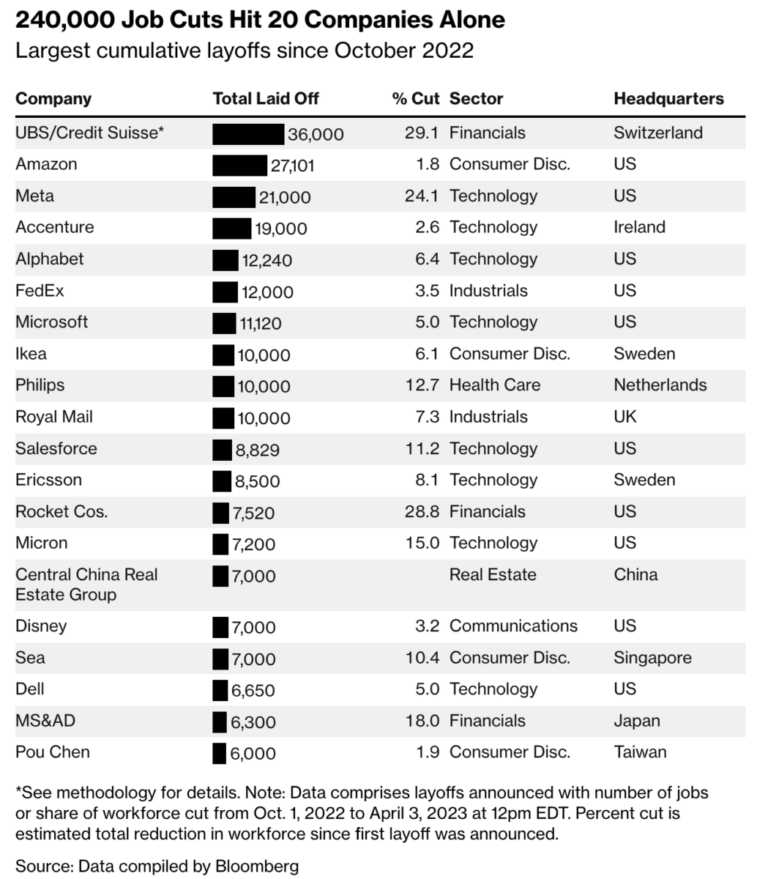
The reasons behind these layoffs are multifaceted, but some common factors include:
- Automation and AI adoption
- Global economic uncertainty
- Shift to remote work and reduced office space
- Company restructuring and cost-cutting measures
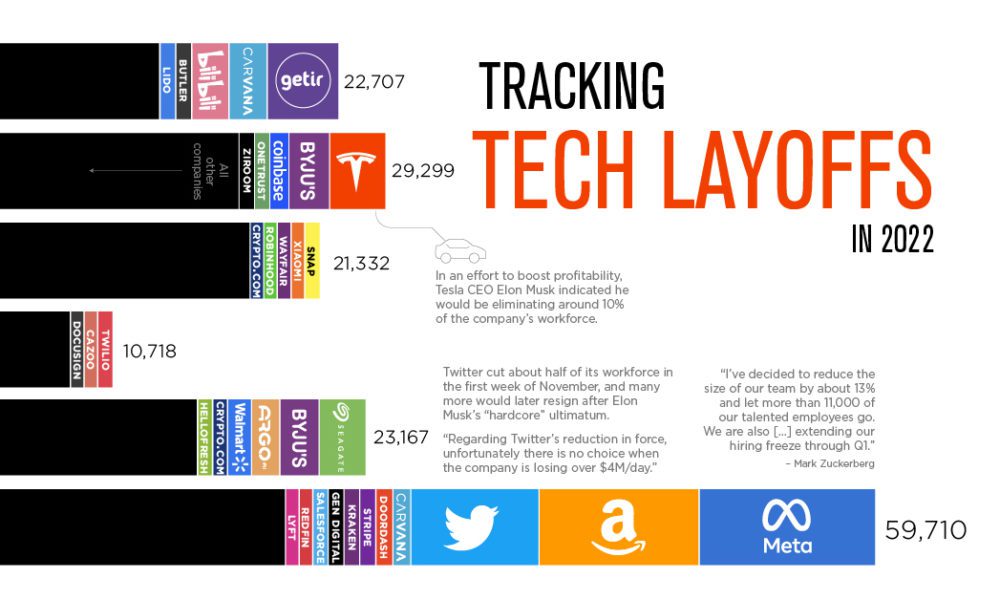
Visualizing the Layoffs: A Data-Driven Approach
To better understand the scope and impact of these layoffs, we can turn to data visualization. By analyzing the numbers and trends, we can gain a clearer picture of the layoff landscape.Some key statistics include:
- Over 150,000 employees laid off in the U.S. in the past year alone
- The technology sector accounts for over 50% of all layoffs
- The average layoff affects over 1,000 employees per company
As we move forward, it will be essential to monitor the situation closely and explore strategies for mitigating the impact of layoffs on employees and communities. By working together, we can build a more resilient and adaptable workforce, equipped to thrive in an ever-changing corporate landscape.
Note: This article is for general information purposes only and is not intended to be taken as professional advice. The statistics and data mentioned in this article are subject to change and may not reflect the current situation.